


The world of technology is constantly evolving, and as businesses become more dependent on reliable and efficient processes, choosing the right infrastructure for operations has never been more important. Enter the debate between cloud computing vs edge computing. Both offer unique benefits, but which is the best fit for your business?
This blog dives into what makes these technologies different, their practical applications, and how to decide which one aligns with your business needs.

What is Cloud Computing?
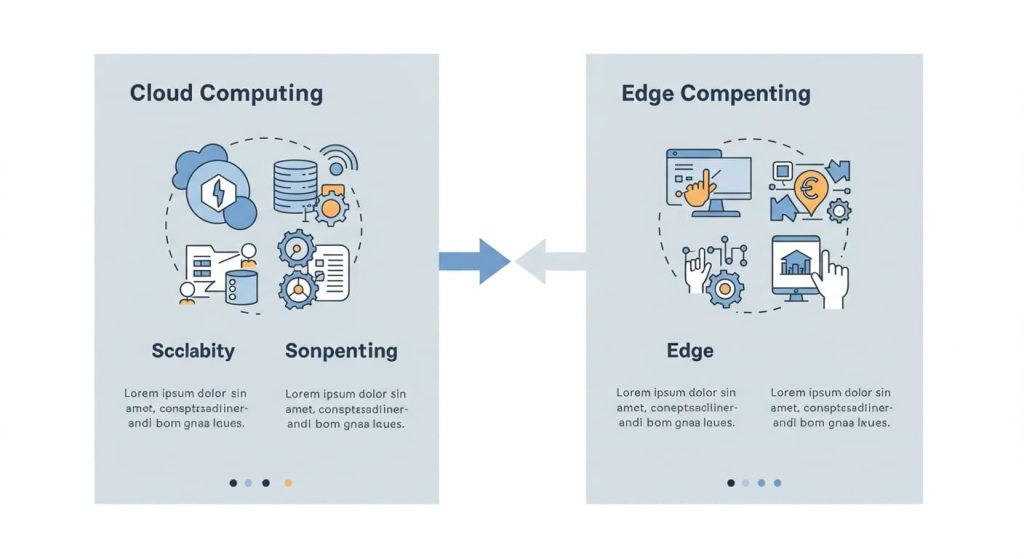
Cloud computing is a model where users access computing resources, such as servers, storage, databases, and applications, over the internet. Instead of relying on a company’s own local servers, cloud computing uses data centers owned and managed by third-party providers like Amazon Web Services (AWS), Microsoft Azure, and Google Cloud.
Key Features:
- Centralized Processing: Data is processed and stored in powerful, often geographically distributed data centers.
- Scalability: Resources can scale up or down depending on demand.
- Cost-Efficiency: Companies pay only for what they use, reducing hardware and maintenance costs.
- Remote Accessibility: Data can be accessed from anywhere with an internet connection.
Real-World Example:
A retail company uses cloud computing to handle online transactions, storing all customer, payment, and order details in the cloud to ensure secure, seamless service even during high-traffic sales seasons.
What is Edge Computing?
Edge computing, on the other hand, processes data closer to the source where it is generated, such as IoT (Internet of Things) devices or sensors, rather than relying solely on a centralized data center. This minimizes latency and bandwidth use by reducing the distance that data needs to travel.
Key Features:
- Decentralized Processing: Data is processed closer to its source, reducing reliance on centralized data centers.
- Low Latency: Ideal for real-time applications where delays can impact performance.
- Optimized Bandwidth Usage: Reduced data transfer to central servers means less strain on networks.
- Enhanced Security: Sensitive data stays near its source, lowering risks during transmission.
Real-World Example:
A manufacturing plant uses edge computing to monitor machinery and predict maintenance needs in real-time. The data collected from sensors is analyzed locally, providing instant insights without delays caused by transmitting data to and from a central server.
The Benefits of Cloud Computing
Cloud computing supports businesses by providing:
- Flexibility: Easily adapt resources to growing or shrinking demand without large upfront investments.
- Global Collaboration: Team members can access shared data from anywhere in the world.
- Cost Savings: No need to purchase or maintain expensive physical servers.
- Disaster Recovery: Cloud platforms offer robust backup and recovery systems, ensuring data is safe even in cases of local hardware failure.
The Benefits of Edge Computing
Edge computing excels in serving businesses that:
- Operate in Real-Time: Rapid decision-making is critical in industries like healthcare, smart devices, and autonomous vehicles.
- Manage IoT Systems: IoT-enabled technology thrives on edge computing due to localized data handling.
- Face Connectivity Challenges: Businesses in remote or rural areas that might lack stable internet connections benefit from edge computing’s on-site processing capabilities.
Key Differences Between Cloud and Edge Computing
| Category | Cloud Computing | Edge Computing |
|---|---|---|
| Data Processing | Centralized in large-scale data centers | Decentralized, close to data sources |
| Latency | Higher latency due to data travel distance | Low latency for real-time processing |
| Scalability | Unlimited scaling through third-party cloud providers | Limited by local infrastructure scalability |
| Security | Relies on encryption for data in transit and storage | Keeps sensitive data local, reducing exposure risks |
| Connectivity Dependency | Requires stable internet connections for access | Functions even in areas with limited or no internet connectivity |
How to Decide Which is Right for Your Business
When to Choose Cloud Computing:
- Your business processes rely on scalability.
If your operational demands fluctuate, like an online store experiencing a surge in visitors during sales, cloud computing can seamlessly adjust resources.
- You prioritize global data access.
Cloud computing ensures team members across different geographic locations can collaborate without hiccups.
- Your data needs storage and analytics.
For businesses handling large datasets that require deep analytical processing, centralized cloud servers are better equipped.
When to Choose Edge Computing:
- Your applications require real-time responses.
Industries like healthcare, where outcomes can rely on split-second decisions, thrive on edge computing’s low latency.
- Your business operates in remote regions.
For operations outside of urban areas or locations with unreliable internet, edge computing ensures continuous functionality.
- You’re managing IoT technology.
A network of smart devices and sensors benefits greatly from local data processing, improving efficiency and reducing strain on central systems.
Businesses Utilizing Both
It’s not uncommon for businesses to adopt a hybrid approach. For example, a logistics company might use cloud computing for overarching fleet management and customer data storage while implementing edge computing for tracking and optimizing deliveries in real-time. Integrating the strengths of both technologies allows companies to enjoy flexibility, scalability, and on-the-ground efficiency.
Next Steps for Implementing the Right Computing Framework
Choosing between cloud computing and edge computing doesn’t have to be an either-or decision. The more you understand your business’s needs for speed, scalability, and security, the better positioned you’ll be to choose the right infrastructure.
To explore more solutions tailored to your business goals, consider consulting a technology expert. If cloud-based systems resonate with your needs, start with a free trial to streamline your operations today.