
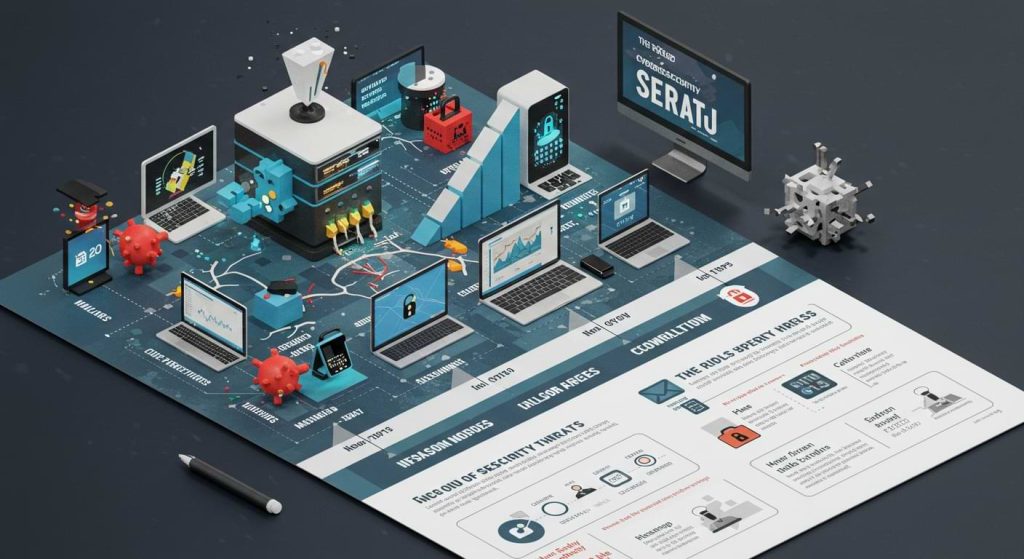

Cybersecurity is no longer a concern for only large corporations. Today, small businesses, startups, and enterprises of every size are facing an unprecedented rise in cyberattacks. Whether it’s phishing scams, malware infections, or ransomware, hackers are becoming more sophisticated, making cybersecurity an absolute necessity for every organization.
For business professionals, staying uninformed about cybersecurity risks is no longer an option. This blog dives into the critical rise of cybersecurity threats, the reasons behind this surge, and most importantly, actionable strategies to protect your business effectively.
Why Cybersecurity Threats Are Rising
Cybercriminals are increasingly targeting businesses due to several reasons:
- Digital transformation: Businesses are rapidly digitizing their operations, creating new vulnerabilities.
- Remote work: The rise of remote work has exposed businesses to unsecured networks and devices.
- Valuable data: Sensitive business data is a lucrative target for hackers, particularly personal customer information or proprietary secrets.
- Automation of attacks: Advanced technology allows hackers to automate attacks, targeting multiple businesses simultaneously.
The rapid evolution of these factors has resulted in a significant increase in the volume and complexity of cyber threats.
Types of Cybersecurity Threats Businesses Face
Before we talk solutions, we need to first understand the common threats that businesses face:
Phishing Attacks
Phishing attacks involve cybercriminals sending fraudulent emails to trick employees into providing sensitive information, such as passwords or financial details.
Ransomware
Ransomware encrypts a business’s data and demands payment in exchange for the decryption key. Failure to pay often results in permanent data loss.
Malware
Malicious software, including viruses, spyware, and trojans, is designed to infiltrate and damage computer systems.
Insider Threats
Employees, whether intentionally malicious or simply careless, can expose sensitive company information or compromise security systems.
Distributed Denial-of-Service (DDoS) Attacks
This involves overwhelming a website or system with traffic, causing it to crash and disrupt business operations.
Zero-Day Exploits
Attackers exploit unknown vulnerabilities in software before developers can patch them.
Steps to Protect Your Business From Cyber Threats
Protecting your business from cybersecurity threats doesn’t have to be overwhelming. By implementing the following strategies, you can safeguard your operations and maintain customer trust.
1. Educate Employees About Cybersecurity
Your employees are your first line of defense against cyberattacks. Invest in regular training to help them recognize phishing emails, spear-phishing scams, and other common cyber threats. Simulated attacks can also prepare them to respond effectively under real circumstances.
2. Conduct a Risk Assessment
Understand the specific vulnerabilities in your organization. Conduct regular security audits to identify weak spots and assess the likelihood of different types of attacks.
For example:
- Are employees using personal devices for work?
- Are you backing up critical data?
Once identified, use this information to strengthen security protocols.
3. Use Strong Password Policies
Weak passwords are one of the easiest ways for hackers to gain access to your systems. Implement strong password policies, requiring:
- Lengthy passwords with a mix of letters, numbers, and symbols.
- Regular updates to prevent prolonged use of old passwords.
- Two-factor authentication (2FA) to add another layer of security.
4. Secure Your Network
Your network is the lifeline of your business. Protect it by:
- Using firewalls to monitor and control incoming and outgoing traffic.
- Encrypting sensitive data before it’s transmitted across the web.
- Installing Virtual Private Networks (VPNs) for remote employees to securely access company systems.
5. Backup Data Regularly
Data loss can cripple a business. Ensure that all vital company data is backed up regularly to secure, off-site systems. Cloud services or automated backup solutions can provide convenient, reliable options.
6. Keep Systems and Software Up to Date
Outdated software is a significant liability. Hackers often exploit vulnerabilities in older versions of software. Regular updates ensure that these weak spots are patched.
7. Deploy Cybersecurity Tools
Invest in tools specifically designed to combat cyber threats, such as:
- Anti-malware software to detect and remove malicious code.
- Security Information and Event Management (SIEM) solutions to monitor threats.
- Intrusion Detection Systems (IDS) to detect unauthorized access to your network.
8. Implement Role-Based Access Control (RBAC)
Restrict employee access to sensitive data based on their roles within the company. This minimizes the risk of insider threats and limits the damage malicious actors can do if they gain access to limited accounts.
9. Prepare an Incident Response Plan
Despite your best efforts, breaches can happen. Create an incident response plan that:
- Defines the steps employees should take in the event of an attack.
- Outlines how to recover operations and minimize losses.
- Assigns specific roles and responsibilities during a crisis.
10. Partner With Cybersecurity Experts
Sometimes, the best way to ensure your business’s security is by leaving it to the professionals. Cybersecurity firms can offer tailored solutions, monitor risks in real-time, and act swiftly to mitigate attacks.
Practical Examples of Businesses Using Cybersecurity Effectively
- Dropbox encrypts all data at rest and in transit using advanced encryption methods to ensure its users’ files remain secure.
- Slack implements stringent data encryption and provides tools for administrators to manage access effectively.
- Zoom enhanced its security services by introducing end-to-end encryption for video calls.
These examples emphasize how staying proactive with cybersecurity measures can significantly enhance customer trust and safeguard business operations.
Stay One Step Ahead
The rise of cybersecurity threats is a reality businesses must face head-on. Proactive measures, employee education, and leveraging advanced technology are key to protecting your assets and maintaining business continuity.
If you’re ready to elevate your business’s cybersecurity standing, now is the time to act. Start by conducting a thorough risk assessment of your current security practices and make education a priority for your team.